
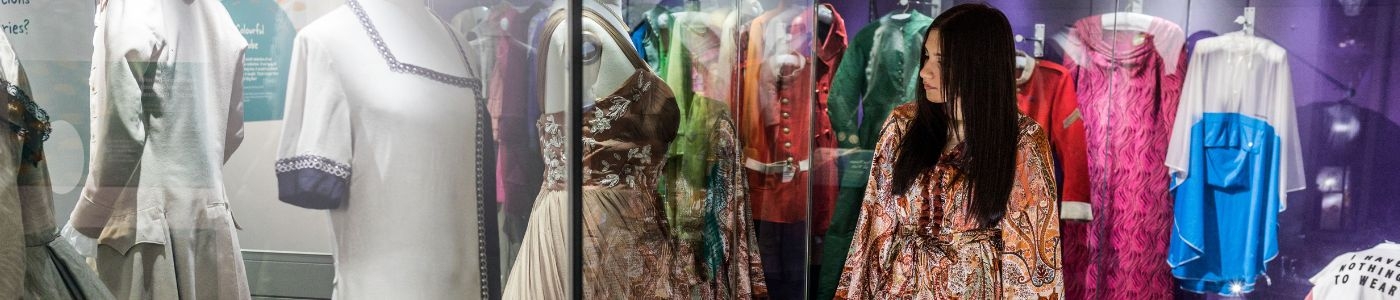
The Year of the Dealer at Preston Park Museum
Discover more about the important role antique dealers have played in shaping museum and gallery collections.
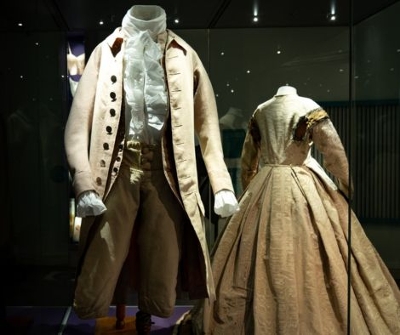
Discover the hidden stories behind our museum objects
At Preston Park Museum, we're excited to be part of The Year of the Dealer — a special project with the University of Leeds and partner museums including The Bowes Museum, Lady Lever Art Gallery, Temple Newsam and the V&A Museum.
This project explores the important role antique dealers have played in shaping museum and gallery collections. Why do we call objects 'antiques' when they are outside the museum but rename them 'decorative art' once they are inside the museum's walls? Why are there no 'antiques' in the museum? These questions are at the heart of a series of new digital film trails, created as part of the Year of the Dealer project.
Funded by the Arts & Humanities Research Council—one of the UK's leading research funding bodies—it forms part of a wider ongoing study led by the University of Leeds. This research delves into the history of antique dealing in Britain during the 19th and 20th centuries, uncovering how objects moved from private hands into public collections.
Explore the stories
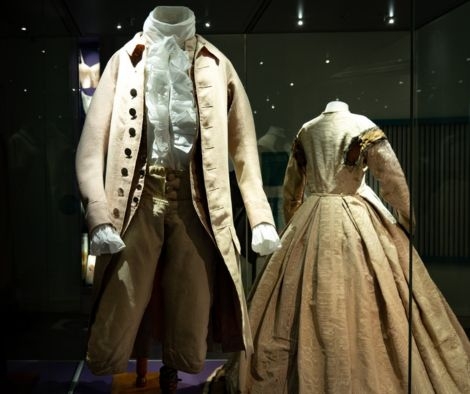
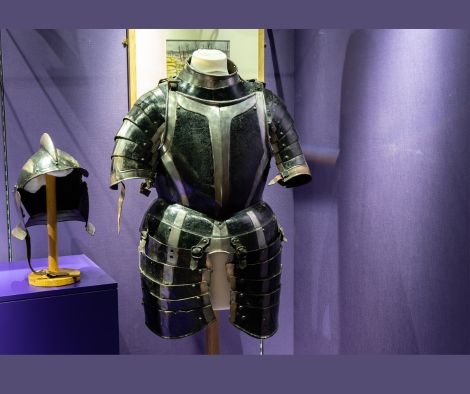
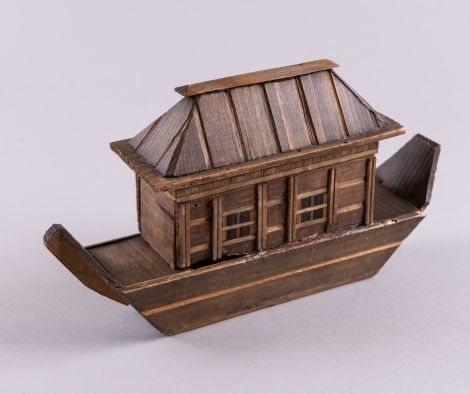
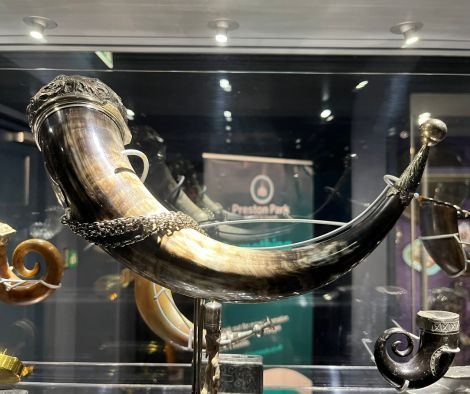
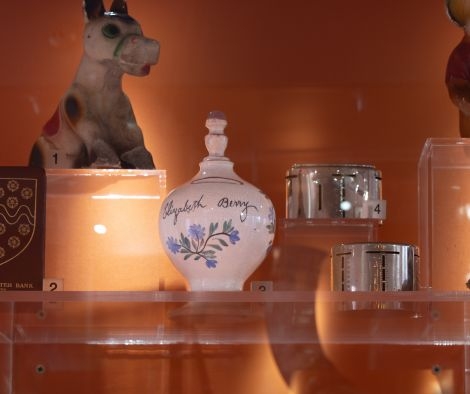
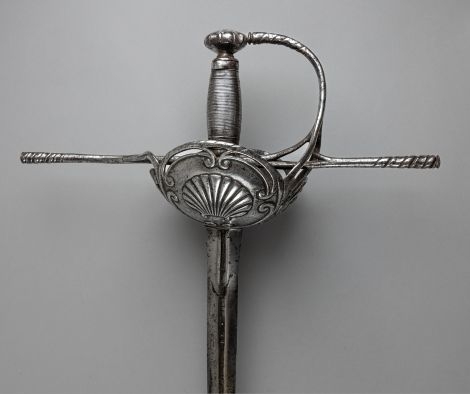
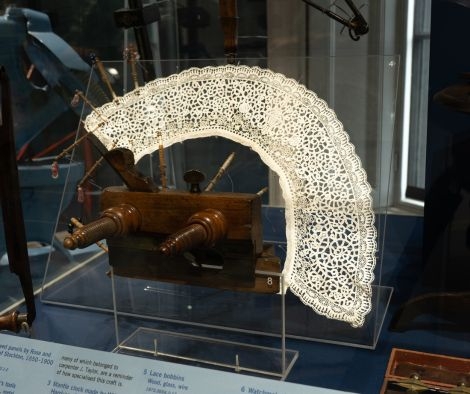
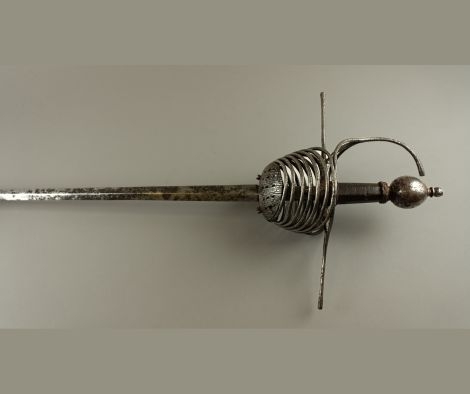
Through a series of short digital films, you can discover the stories behind 10 objects from our collection. Each one reveals something surprising — from unusual journeys and changing tastes, to the colourful characters who handled them along the way.
You'll hear about:
- the dealers who helped shape museum collections
- how antiques were bought and sold in the past
- the people behind the objects, from local sellers to well-known London dealers
- the important role that women have played in the history of antique dealing
Built on remarkable collections
Preston Park Museum's collections have grown over time thanks to generous donations and loans. Some of our earliest collections include:
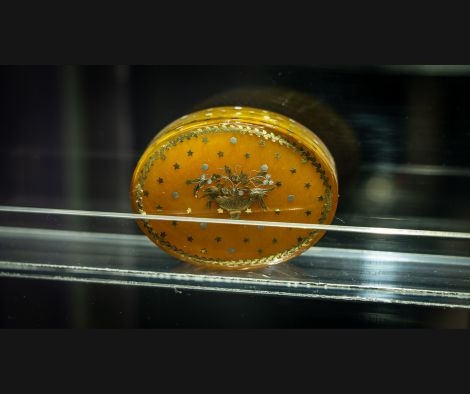
- the Spence Collection (1925), featuring antique firearms, weapons, powder flasks, snuff boxes and other decorative items
- the Clephan Collection (1930s), bequeathed by Edwin Clephan's daughters
- the Ions Collection, a significan collection of glassware and ceramics
Together, these helped form the museum when it opened in 1953 — and the collection has continued to grow ever since, telling the story of Stockton-on-Tees and the people who live here.
Plan your visit or watch online
You can explore all ten films from Preston Park Museum online, along with stories from the other museums taking part in the project.
If you're visiting us in person, you may be able to spot some of the featured objects.
Watch the Year of the Dealer Digital Trail at Preston Park Museum
Watch other digital trails in the Year of the Dealer series
Year of the Dealer at Preston Park Museum
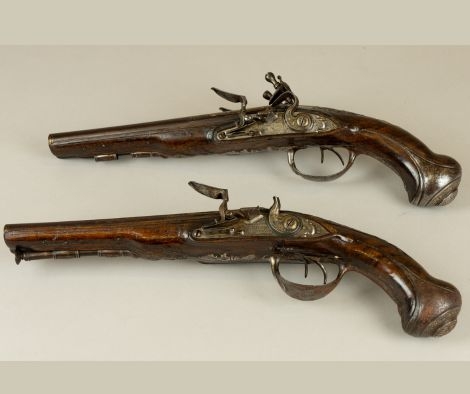
Harry Armstrong was an antique dealer local to Preston Park. He sold this pair of 18th century pistols to Col. Spence in 1912 for £10; he had bought them from the famous London antique dealer Frank Partridge. The Pistols are currently in store.
Pistols


